
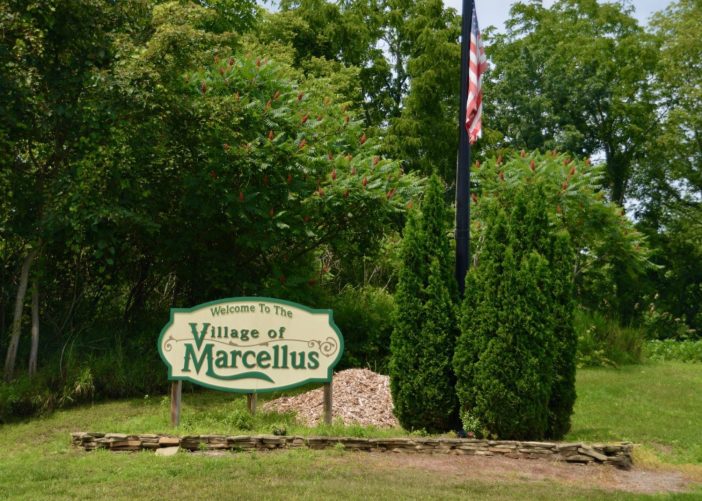
President Irwin called the regular meeting of the Marcellus Village Council to order at 7:00 p.m. on June 9, 2026, in the Marcellus Village Hall. Trustees present: Markle, Engstrom, Webb, Haley M., Haley G. and Watts.
Agenda
Motion by Irwin, supported by Webb, to approve the agenda with the following additions:
– Move Dan Hatch – Downtown Beautification Project Closed Session followed by Public Update after Brian Hake – Kruggel Lawton CPAs 2025 Audit Presentation and Act 51 Report and Jeff Van Bell – Cass County Drain Commissioner.
– Under President’s Report –
• Add Item B. Marcellus Baseball State Semifinals in Lansing.
• Add Item C. AEP Notices re: Posts in alleys/AEP easements.
– Under Clerk’s Report –
• Add Item B. Proposed Email to Thomas Brasseur, of Canadian National (CN), and Kris Foondle, of MDOT (Michigan Department of Transportation) Rail.
Ayes: All. Nays: None. Motion carried.
Minutes
Motion by Webb, supported by Engstrom, to approve as presented and place on file the minutes of the May 26, 2026, regular meeting. Ayes: All. Nays: None. Motion carried.
Bills
Motion by Haley G., supported by Engstrom, to authorize the payment of bills in the amount of $31,516.18. Roll Call Vote – Ayes: Markle, Webb, Irwin, Engstrom, Haley M., Watts and Haley G. Nays: None. Motion carried.
Consent Agenda
Motion by Webb, supported by Haley G., to receive and place on file all items on the Consent Agenda with the following addition:
– Add Item D. May 2026 Ordinance Enforcement Hours and Report.
Ayes: All. Nays: None. Motion carried.
Wellhead Protection Plan Essay Contest Winners
Village Treasurer/Administrative Assistant Tina Thornburgh coordinated a Wellhead Protection Presentation by Kyle Mead, Senior Michigan Agriculture Environmental Assurance Program (MAEAP) in 2 separate sessions: the 3rd Grade class on April 27 at the Marcellus Elementary School Library and the high school Junior Class at the Marcellus Community School Library on April 16, 2026. Following the presentation to the Junior Class students they were invited to participate in an essay contest by writing and submitting an essay that addresses the question, “How do we define safe drinking water and what measures can be taken to ensure the protection of our water supply-balancing the need for immediate purity with the long-term preservation of our natural water sources?”
Eight students submitted essays that were judged by members of the Wellhead Protection Committee and Marcellus Community Schools who judged the content on originality, depth of knowledge, practicality and ease of implementation.
The Committee recognized the top three essays with Civic Leadership Awards, funded with community donations.
• First Place — Morgan McClain: Received a $500 Civic Leadership Award, presented by Attorney Luke Nofsinger.
• Second Place — Skielynn Snodderly: Received a $250 Civic Leadership Award, sponsored by the TTT.
• Third Place — Serenity Singleton: Received a $125 Civic Leadership Award, sponsored by Marcellus Community Schools Superintendent, Dr. Michael Dunn.
The winning essays, as submitted by the students, are included below in full.
1st Place Winner: Morgan McClain
Safe Water for all
WHPP Committee
Safe drinking water can be defined in multiple ways, but it is generally agreed that it should not cause harm to those who consume it. This means that the water shouldn’t contain harmful chemicals, bacteria, or toxic materials. Although it seems like these things should never get in the water, accidental contamination happens more often than not. We can prevent these by avoiding harmful waste and chemical pesticides, and by properly maintaining our local water sources.
Before we can talk about how we can protect our water, it’s important to understand what can harm it. Drinking water is deemed unsafe if infected with chemicals, waste, or bacteria.
Some of the major sources of these contaminants are industrial facilities, agricultural activities, and wastewater treatment plants (Denchak, 2023). If any of these contaminants infect the water, it may contain E.coli 0157, Salmonella, Norovirus, and many other illnesses, which can affect the health of someone who drinks it. (CDC, 2024)
To prevent contaminants from entering our water, we can take precautions such as properly disposing of waste, informing people about the location of our water source, using safe and organic pesticides, and volunteering to clean up local water sources that feed into our drinking water (US EPA, 2015). People can properly dispose of waste like medicine, cleaning supplies, and any non- natural chemicals by locating their local chemical or medicine drop- off location. People can also help the effort by avoiding chemical lawn care and pesticides, instead focusing on local native species that won’t affect the environment and will help your lawn along the way. Another way to help is volunteering to clean up your local water sources. Many water sources are polluted by oil, trash, and pet waste, and by volunteering to clean up, you can help keep this litter from reaching your drinking water (MN Dept. of Health, 2024).
One of the most effective ways to ensure access to safe drinking water is to preserve it. The average person uses around 80 to 100 gallons of water a day when they shower, flush the toilet or drink it(USGS, 2026). There are simple habits you can do to help lessen the amount of water you use, like turning off the faucet when you’re not directly using the water while brushing your teeth, showering, or washing your hands. Another way to use less water is to only water your garden in the early morning or late afternoon. Watering your garden at these times helps the garden retain moisture throughout the day. Using less water will help others get the water they also need (American River 2023).
Water is essential to life, so making sure there’s enough safe drinking water for all is important. To do this, we should protect our drinking water by preventing chemical and bacterial waste from contaminating it. This will guarantee a steady supply of safe drinking water for everyone in the community for many years to come.
2nd Place Winner: Skielynn Snodderly
Wellhead Protection and Its Importance
Many people wonder, “Is my drinking water safe? How do I know and what can I do to protect it?” Well, keeping your drinking water safe and clean is a community job, and you can help to protect it from contamination.
The public water used by the Village of Marcellus is supplied by two municipal groundwater wells that are each over 120 feet deep. Groundwater wellheads are highly vulnerable to contamination, so the Village has teamed up with the Michigan Department of Environment, Great Lakes, and Energy to maintain what is called a Wellhead Protection Plan. The Village’s groundwater protection ordinance regulates land use and prevents harmful developments near the local wellhead areas.
To keep your drinking water safe, the Village of Marcellus must obey state and federal standards. They should test PFAS levels to ensure they don’t exceed MCLs. The Village must also focus on preventing contaminants, such as microbes, inorganic compounds, and chemicals, from entering the groundwater supply. They must protect the source of the water to limit the risks of contamination. These include abandoned wells, septic systems, and industrial chemical storage.
Another way the Village of Marcellus protects their local wellheads is by implementing land-use regulations that prevent potential contaminants from reaching the groundwater source. They make sure all storage tanks and businesses near the wellhead are using proper storage, along with secondary containment and handling to prevent spills. Essentially, the Marcellus Wellhead Protection Program defines safe drinking water as protected and uncontaminated water that meets the standards of both federal and state safety standards.
To ensure the Village’s water stays safe to drink and use, they are preserving and maintaining already existing and potentially new groundwater supplies, aquifers, and groundwater recharge areas of the Village. They are protecting the wellheads from harmful developments or land-use practices that could damage them. They are making sure that all natural resources of the Village are safe and protected to assist in the protection of our water. The Village of Marcellus is maintaining the financial investments of the Village for its drinking water supply system and to meet state requirements.
The residents of the Village of Marcellus can help keep the local wellheads safe by properly disposing of potentially hazardous household chemicals. When using fertilizers and pesticides, residents must use them with care and responsibility, ensuring it doesn’t contaminate the groundwater supply. Recycling things such as motor oil or antifreeze is another excellent way to ensure the safety of the wellheads. Conserving water makes the wellhead less susceptible to contamination.
The Village of Marcellus is doing what needs to be done to ensure the safety of the local groundwater wellheads by keeping up with the federal and state regulations that are needed to ensure the water is safe and clean to use or drink.
Sources:
• The Village of Marcellus
• The Marcellus News
• Discover Northeast Michigan
3rd Place Winner: Serenity Singleton
Wellhead Project
Do you ever actually think about where the water in your glass comes from? Most of us just turn on the sink or grab a drink without even thinking about it because it’s just there. But honestly, water is basically what keeps us running. Since 60% of our bodies are made of water, it handles everything from how our brains work to our body temp. Ignoring what’s actually in our local water isn’t just being lazy; it could actually be detrimental for everyone in the long run.
To get why this matters, you have to look at the source. According to the 2024 Water Quality Report for Marcellus, 100% of our water comes from local wells. While groundwater is usually cleaner than water from a lake, it’s not fully “pure.”
As water moves through the ground to get to these wells, it picks up everything. It dissolves natural minerals but it also sucks up random contaminants left behind by people.
A lot of people think the ground acts like a perfect filter, but that’s a myth. Soil is great at catching the big, gross stuff we can actually see, but it’s not great at stopping microscopic threats. It can’t stop chemical runoff, bacteria, oil, or pesticides. Even if the government says there are allowable limits for contamination, “allowable” doesn’t mean it’s good for you. Over time, even tiny amounts of contaminants build up and cause serious health issues.
So, what are we supposed to do? Improving our water takes both big and small changes. First, we need to push for better filtering systems that can actually handle chemicals so they don’t end up in our kitchen sinks. Second, we need to stop being so messy with our land. If we used fewer chemical pesticides and switched to natural ones like using ladybugs or organic sprays we’d stop the toxins from getting into the water cycle to begin with.
This isn’t just some boring political talk, it’s about keeping people safe. It affects our families, our friends, and especially children and seniors. Since we live in a small town, we actually have a say in this. We’re the ones responsible for our own resources. We have to do something now to protect our wells before things get too expensive or dangerous to fix. Next time you fill up a water bottle, just ask yourself: What’s actually in here, and what am I doing to help keep it clean?
The Village Council thanked all of the students for their engagement and commended the winners for contributing meaningful, insightful work to the community’s Wellhead Protection efforts.
Brian Hake – Kruggel Lawton CPAs 2025 Audit and Act 51 Report: Staff Accountant Brian Hake, of Kruggel Lawton CPAs, provided the Village Council with an oral summary of the 2025 audit. He thanked the Village Council and Village Manager/Clerk Jacqueline Terrill for her cooperation and well-organized assistance in completing the audit. Mr. Hake reported that overall, the 2025 audit is similar to the 2024 audit with the main difference being capital assets, noting that the total assets of the Village have more than doubled in the last four years. Trustee Webb commented that the Village has experienced a period of remarkable growth and congratulated the people in the room and the community for making that a possibility.
Motion by Webb, supported by Haley G., to receive and place on file the Kruggel Lawton audit of the Village of Marcellus’s financial records for 2025. Roll Call Vote – Ayes: Haley G., Watts, Markle, Irwin, Engstrom, Haley M. and Webb. Nays: None. Motion Carried.
Motion by Irwin, supported by Engstrom to file with MDOT and to receive and place on file the 2025 Act 51 Report, prepared by Kruggel Lawton CPAs as part of the Village’s 2025 audit activities. Roll Call Vote – Ayes: Webb, Engstrom, Irwin, Haley M., Watts, Haley G. and Markle. Nays: None. Motion Carried
Jeff Van Bell – Cass County Drain Commissioner
Jeff Van Bell, Cass County Drain Commissioner, addressed the Village Council regarding the Nottingham/Jones Drain and the drainage issues affecting at least one business owner near the intersection of M 40 North and West Main. Mr. Van Bell explained the current conditions and outlined a potential approach, which would involve waiting until July or August to dig the ditch so water can settle before moving downstream. Village Manager/Clerk Terrill will remain in contact with the Drain Commissioner to continue the discussion and evaluate possible solutions.
Attorney Daniel Hatch – Downtown Beautification Project
Closed Session per MCL 15.268(e) to Consult with Attorney Daniel Hatch, of Butzel Long, and Attorney Luke Nofsinger Regarding Trial or Settlement Strategy in Connection with Specific Litigation – Case No. 26-000097-CK – Village of Marcellus v. Wightman & Associates, Balkema Excavating, Inc. and Western Surety Company
Irwin moved, supported by Webb, to go into closed session to consult with Village Attorneys Daniel Hatch, of Butzel Long, and Luke Nofsinger regarding trial or settlement strategy in connection with specific pending litigation – Village of Marcellus v. Wightman and Associates, et al (Cass County Circuit Court File No. 26-097-CK) and engage in privileged and confidential discussions that would have a detrimental financial effect on the litigating or trial strategy of the Village of Marcellus, based on MCL 15.268(e). Roll Call Vote – Ayes: Engstrom, Watts, Haley G., Webb, Irwin, Markle and Haley M. Nays: None. Motion Carried.
Per the above motion, Village Council went into closed session at 8:07 p.m. and the Village Council returned to open session at 8:47 p.m.
Legal Action on Downtown Beautification Project
There was no action taken after the resumption of the open session.
Attorney Hatch presented an update of the Downtown Beautification Project status, reviewing the timeline starting with July 15, 2025, when the Notice of Default was sent out to Balkema Excavating and Wightman and Associates.From there, Balkema Excavating’s timeline of responses proceeded as follows:
July 15, 2025: Notice of Default is sent to Balkema Excavating and Wightman and Associates.
November 2025: Balkema Excavating initially informs the Village they will perform the work and plan to begin before winter weather sets in.
April 22, 2026: Balkema sends notification that they will not perform the work due to the Village filing a lawsuit.
May 29, 2026: Balkema sends another letter stating they will perform the repairs needed. Following this timeline, a pre-construction meeting was held on June 5, 2026. Representatives from Wightman and Associates, Balkema Excavating, and Remington Construction met with Attorney Daniel Hatch, President Irwin, and trustees Markle and Engstrom to review the repair list and progress schedule. The Village’s expert consultant, Mary Jean from Higgins and Associates, has reviewed and approved the plan.
Highlights of the work to be completed include:
• Installing isolation joints
• Reconnecting a downspout
• Repairing damaged concrete and incorrect riser heights
• Relocating benches
• Replacing the stained decorative sidewalk
• Replacing the flared side of curb ramps
All work is scheduled to be completed by July 10, 2026, with the exception of ADA-required handrails, which will be installed after the concrete repairs have been approved. President Irwin and Village Clerk/Manager Jacqueline Terrill are the appointed designees for the Village, and Dan Isbrecht is the designated liaison for Wightman & Associates, Inc.
President’s Report
MAESA Report
President Irwin shared the June 8, 2026, MAESA Report. After giving an update to the Village Council regarding various discussions during the meeting, Irwin moved, supported by Webb, to receive and place on file the report. Roll Call Vote – Ayes: Engstrom, Haley M., Irwin, Webb and Haley G. Nays: Markle and Watts. Motion Carried.
Marcellus Baseball Team
President Irwin congratulated the Marcellus High School Baseball Team for qualifying for the State Semifinals in Lansing, Friday, June 12 at 11:30 a.m. There will be a Pep Rally for the boys and coaches on Thursday at 6:00 p.m. at the Marcellus High School gymnasium where the public can attend to cheer for the boys and send them off in style.
Clerk’s Report
Emergency Traffic Management and Restoring Marcellus Rail Capacity & Addressing CN Crossings
Motion by Markle, supported by Webb, to authorize as amended, the Proposal Email from Village Manager/Clerk Terrill to Kris Foondle, of MDOT, and Thomas Brasseur, of Canadian National Railway, regarding the Saturday, June 6, 2026, incident where a stopped train blocked downtown crossing zones across a two-block stretch with stuck crossing gates. The correspondence addresses reviewing the specific breakdown and response times of that event, managing everyday local traffic flow to prevent central bottlenecks, and exploring long-term infrastructure funding—such as the Michigan Rail Enhancement Grant Program (M-REP)—to petition for restoring the historical second passing rail track and incorporating a new local manufacturing spur. Ayes: All. Nays: None. Motion carried.
DPW
2025 Consumer Confidence Report
Motion by Irwin, supported by Watts, to receive and place on file the 2025 Consumer Confidence Water Quality Report. Ayes: All. Nays: None. Motion carried.
Quote – Core & Main (Master Meter) Water Meters
Motion by Irwin, supported by Watts, to approve the updated quote after researching the question of tariff surcharge legality. Roll Call Vote – Ayes: Watts, Irwin, Markle, Webb, Haley M., Haley G. and Engstrom. Nays: None. Motion carried.
Backflow Preventers: Backflow preventers will be handed out to residents at the time of their new meter installation.
Corrpro Cathodic Protection Inspection Report
DPW Superintendent Michael Clark shared the Cathodic Protection Inspection report provided by Corrpro Companies, Inc., of Medina, Ohio, and noted that the cathodic protection system passed inspection.
Motion by Irwin, supported by Markle to receive and place on file the Corrpro Companies, Inc., Cathodic Protection Inspection Report. Ayes: All Nays: None. Motion carried.
May 2026 DPW Report: Motion by Irwin, supported by Markle, to receive and place on file the May 2026 DPW Report. Ayes: All. Nays: None. Motion carried.
Personnel Committee: DPW Superintendent Michael Clark – 4-Year Employment EvaluationTrustee Engstrom reported that DPW Superintendent Michael Clark received a favorable four-year employee evaluation, thanked him for doing an excellent job and moved, supported by Webb, to approve a pay increase of $0.75 per hour effective on his employment anniversary date, May 10, 2026. Roll Call Vote – Ayes: Webb, Engstrom, Markle, Haley M., Haley G., Watts and Irwin. Nays: None. Motion carried.
Manager/Clerk Jacqueline Terrill – 10-Year Employment Evaluation: Trustee Engstrom reported that Village Manager/Clerk Jacqueline Terrill received a favorable ten-year employee evaluation and thanked her for doing an excellent job. Irwin moved, supported by Haley M., to approve the four percent raise effective on her employment anniversary date, May 10, 2026, as per her employment contract. Roll Call Vote – Ayes: Irwin, Watts, Webb, Haley G., Engstrom and Haley M. Nays: None. Markle abstained. Motion carried.
Adjournment
Motion by Markle, supported by Haley M., to adjourn at 10:28 p.m. Ayes: All. Nays: None. Motion carried.
Deborah Garcia
Village Deputy Clerk
Dennis Irwin
Village President
###

Leave a Reply
You must be logged in to post a comment.